



TLDR
Nvidia reported Q4 fiscal sales of $68 billion, beating estimates, with Q1 guidance set at $78 billion
Nvidia’s “physical AI” revenue hit $6 billion in fiscal 2026, with robo-taxis and robots driving demand
Tesla is an Nvidia customer, developing robots (Optimus) and robo-taxis that require Nvidia’s AI computing power
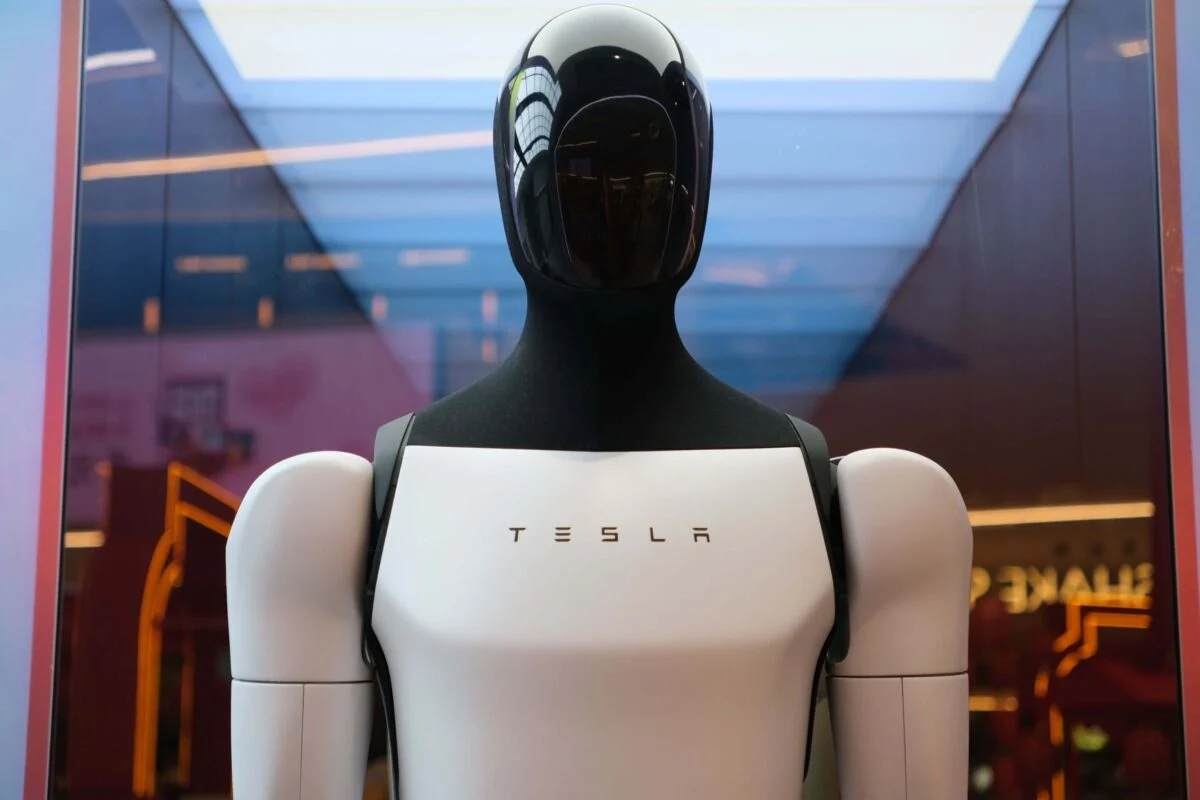
Tesla’s Optimus robot could add $25 billion in annual revenue if production reaches 1 million units at ~$25k per unit
Tesla stock is up 44% over the past 12 months; Nvidia is up 49%
Get live prices, charts, and KO Scores from KnockoutStocks.com, the data-driven platform ranking every stock by quality and breakout potential.
Tesla $TSLA edged lower in premarket trading Thursday, down 0.5%, even as Nvidia $NVDA posted strong fiscal fourth-quarter results that beat Wall Street expectations.
Tesla, Inc., TSLA
Nvidia reported sales of $68 billion for the quarter, up from $39 billion a year ago. That cleared analyst estimates of $66 billion and Nvidia’s own guidance range of $63.7 to $66.3 billion.
Looking ahead, Nvidia guided for $78 billion in first-quarter sales, well above the $73 billion Wall Street had expected. Despite the beat, Nvidia stock only rose about 1% in premarket trading.
So why does any of this matter for Tesla?
Tesla is an Nvidia customer. It uses Nvidia’s computing infrastructure to develop what the industry calls “physical AI” — AI systems that operate in the real world, like robots and self-driving vehicles.
Nvidia CFO Colette Kress confirmed that physical AI revenue reached $6 billion in fiscal 2026, which ended in January. She specifically named Tesla and Alphabet’s Waymo as robo-taxi operators building on Nvidia’s platform.

Kress also noted that training robo-taxis and robots requires far more computing power than training AI chatbots. That puts Nvidia in a strong position as demand in this space grows.
CEO Jensen Huang called AI-trained robotics a “wonderful opportunity” for his company. The relationship between the two firms is increasingly interdependent — Nvidia needs AI applications to scale, and Tesla needs Nvidia’s compute to make them work.
Tesla’s Optimus Ambitions
Tesla CEO Elon Musk has described robotics as a multi-trillion-dollar opportunity. The company’s humanoid robot, Optimus, is expected to begin limited sales in 2026, with a longer-term goal of reaching one million units per year.
At a price point of around $25,000 per unit, that production target would add roughly $25 billion in annual revenue. For context, Tesla generated $94.83 billion in total revenue for 2025.
That kind of new revenue stream would represent a separate growth engine — one that doesn’t pull from car sales but adds to the overall business.
Risks Still on the Table
Musk himself warned last month that early robot production would be “agonisingly slow” before scaling up. Supply chain constraints and production bottlenecks remain real risks.
Tesla also isn’t alone in the robotics race. Chinese companies are investing heavily in the space, and if competitors capture the cheaper end of the market, Tesla’s margins could come under pressure.
Tesla stock is already up 44% over the past 12 months, and some analysts believe that move already prices in a degree of optimism around Optimus and robo-taxis.
Nvidia stock is up 49% over the same period.
Coming into Thursday, both stocks were holding near those 12-month highs, with markets watching closely to see how physical AI demand continues to develop through 2026.
Considering a new stock? You may want to see what’s on our watchlist first.
Our team at Knockout Stocks follows top-performing analysts and market-moving trends to spot potential winners early. We’ve identified five stocks gaining quiet attention that could be worth watching now. Create your free account to unlock the full report and get ongoing stock insights.
