



TLDRs;
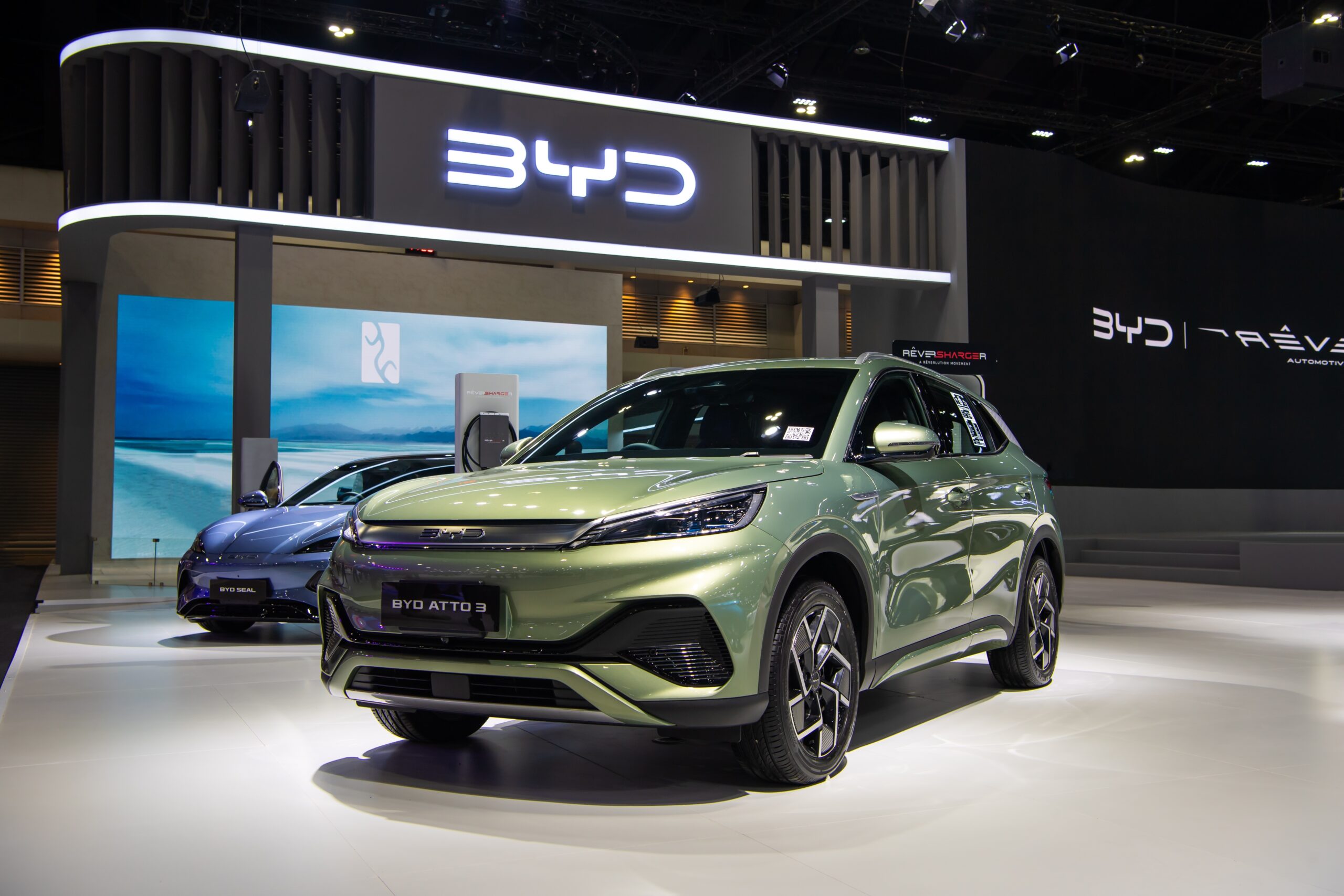
BYD and Geely are projected to dominate the top 10 global carmakers by 2030, driven by scale and EV growth.
China produces over 70% of the world’s EV batteries, boosting domestic automakers’ global competitiveness.
Chinese automakers pivot to Europe amid U.S. and EU tariff challenges, expanding overseas markets.
Charging infrastructure and local production will be key for Chinese EV brands’ European success.
Up to five Chinese carmakers, including BYD and Geely, are on track to enter the world’s top 10 automotive manufacturers by 2030, according to a recent McKinsey report.
The consultancy highlighted that advancements in technology, production scale, and EV adoption will reshape the global auto industry over the next five years. BYD and Geely already ranked among the top 10 by sales in 2024, delivering 4.3 million and 3.3 million vehicles respectively.
China now accounts for over 30% of global car production, and more than 60% of EVs sold worldwide are purchased by Chinese consumers. The rapid rise of domestic automakers reflects the country’s strategic investments in EV technology and battery manufacturing, with companies such as CATL and BYD leading production of more than 70% of the world’s EV batteries.
Export Challenges Push Expansion Overseas
Despite strong domestic sales, Chinese automakers face significant hurdles abroad. Exports reached 5.6 million vehicles in the first 10 months of 2025, up 16% year-on-year, while factories operate at less than half of their total capacity of 55.5 million units.
The U.S. remains largely inaccessible due to a 100% tariff on Chinese EVs, forcing automakers to focus on European markets.
Europe has become the primary target for expansion, with Chinese EVs capturing a 5.1% market share in H1 2025, representing a 91% increase from the previous year. However, European Union countervailing tariffs, ranging from 17% to 35.3% on Chinese EVs, alongside a 10% import duty, present further obstacles. Companies are navigating these challenges with strategies such as producing plug-in hybrid electric vehicles (PHEVs) to avoid full EV tariffs and establishing local manufacturing, including BYD’s upcoming plant in Hungary and Chery’s facility at the former Nissan Barcelona site.
Charging Infrastructure a Key Market Factor
A major factor for overseas growth is the availability of EV charging infrastructure. While Chinese brands have achieved sales of 347,100 units in Europe during H1 2025, the lack of a comprehensive charging network limits wider adoption.

Brands like BYD have expanded to 100 UK dealerships, with plans for a broader European rollout. XPeng aims for 20 UK dealers, and NIO is set to introduce battery swap technology in mid-2026.
To accelerate market entry, automakers are partnering with SaaS vendors to deploy white-label charging solutions that include OCPI roaming, Plug&Charge authentication (ISO 15118), and European payment rails such as SEPA. These systems allow consumers to charge vehicles seamlessly without the automakers needing to own the infrastructure, a strategy that could prove decisive in the competitive European EV market.
Strategic Positioning for Future Growth
As the automotive landscape evolves, Chinese carmakers’ success will hinge on combining advanced EV technology, strategic overseas expansion, and robust infrastructure partnerships.
McKinsey’s projections underscore the likelihood that BYD and Geely, alongside other ambitious Chinese automakers, will not only climb the ranks domestically but also challenge longstanding European and American manufacturers.
With global EV adoption accelerating and China’s manufacturing scale expanding, the next decade could see a significant reshaping of the automotive hierarchy, positioning Chinese brands as leading innovators and dominant players on the world stage.
